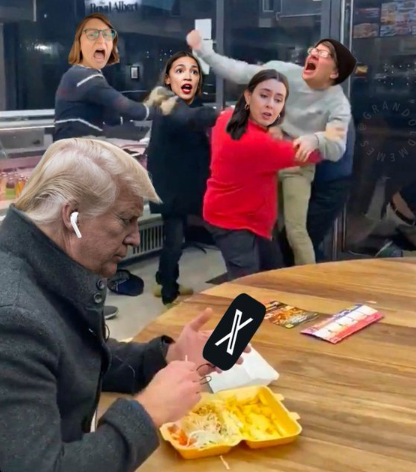
Trump is also back on X. A massive DDOS attack on X disrupted and delayed the interview by Elon Musk and Donald Trump on X spaces.
In a recent and controversial move, the European Union (EU) has escalated its ongoing conflict with Elon Musk, the owner of X (formerly Twitter), by demanding that he censor former U.S. President Donald Trump on the platform. This clash underscores the growing tension between tech giants and governmental bodies over the control of online content and the spread of disinformation.
The EU’s Demands: The European Union, leveraging its new Digital Services Act (DSA), has taken a firm stance against X, charging the platform for failing to comply with its stringent regulations designed to curb harmful and illegal content. The EU’s Digital Commissioner, Thierry Breton, sent a warning letter to Musk just before a scheduled interview between Trump and Musk on X. The letter emphasized the need for X to adhere to EU laws, particularly in preventing the amplification of hate speech and disinformation.
Musk’s Response: Elon Musk has publicly accused the EU of overreach, even alleging that they attempted to strike a “secret censorship deal” with him to avoid hefty fines. This claim adds another layer to the ongoing debate about freedom of speech versus the need for regulation in the digital age.
The Broader Implications: This conflict highlights the broader implications for social media platforms operating in the EU. With potential fines of up to 6% of global revenue for non-compliance, the stakes are incredibly high for X and other platforms. The outcome of this dispute could set a precedent for how digital content is regulated in Europe and beyond.
As the digital landscape continues to evolve, the battle between tech companies and regulatory bodies like the EU will likely intensify. Musk’s defiance against EU demands raises critical questions about the future of free speech online, the role of government oversight, and the responsibilities of tech platforms in managing content.
 Remi Tribe