

In late January 2026, the U.S. Department of Justice published a massive collection of records related to the late financier and convicted sex offender Jeffrey Epstein in what officials called compliance with the Epstein Files Transparency Act passed in November 2025. The release is the most extensive disclosure of its kind to date and has sparked renewed scrutiny from lawmakers, survivors, investigators, and the public.
The trove now available publicly includes:
- Over 3 million pages of documents, including court records, investigative notes, emails and memos.
- Roughly 180,000 images and 2,000 videos tied to Epstein investigations.
Taken together with earlier congressional releases, this brings the total publicly disclosed material to nearly 3.5 million records — though the DOJ still acknowledges it reviewed more than 6 million potentially responsive pages and redacted or withheld portions for reasons including victim privacy and legal privileges.
What’s Actually in the Files?
Here’s a summary of key categories and notable revelations from the latest releases:
1. High-Profile Names and Interactions
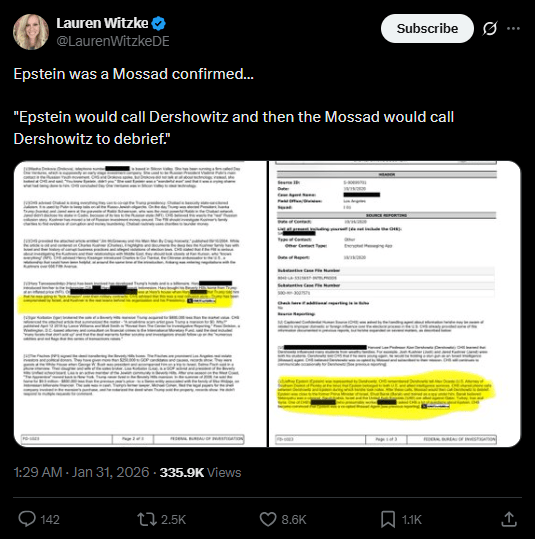
The documents contain references, interactions, and in some cases direct communications between Epstein and numerous public figures — though presence in the files does not imply criminal conduct.
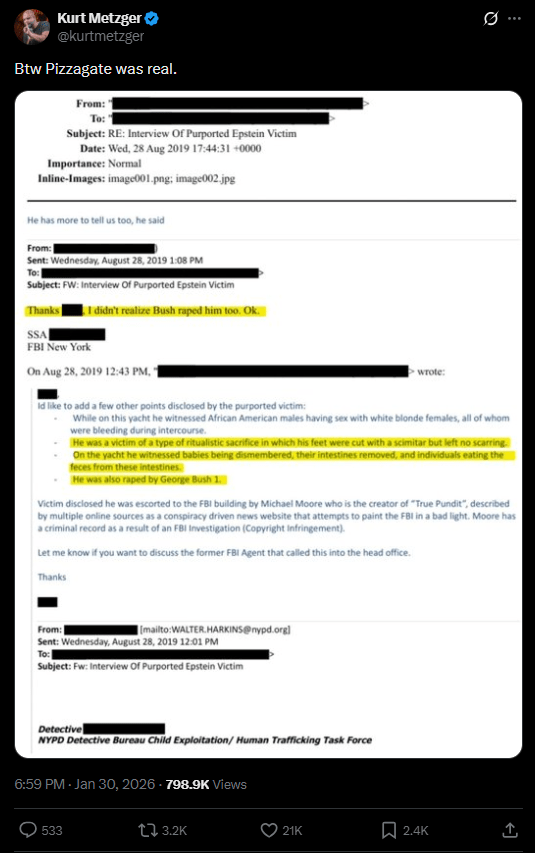
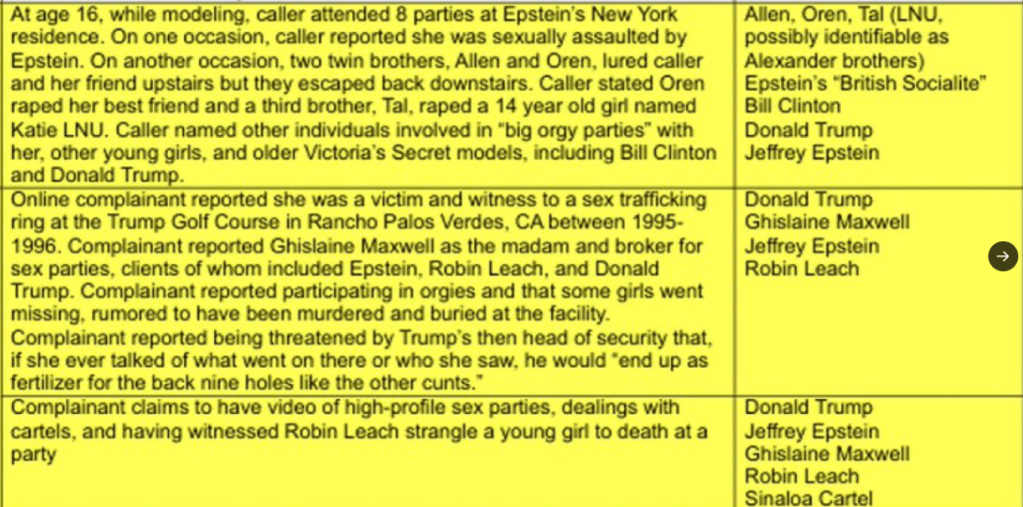
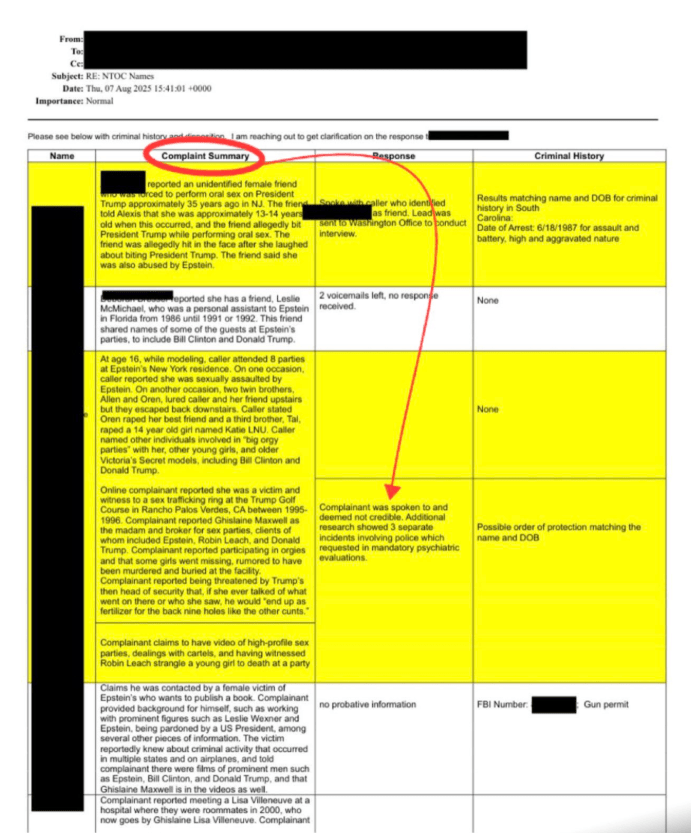
- Donald Trump is mentioned hundreds of times across emails and reports. Some unverified tips alleging misconduct were included in FBI records submitted before the 2020 election.
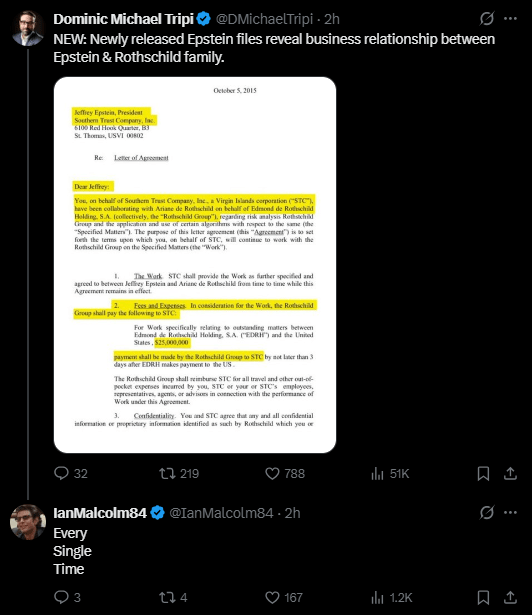
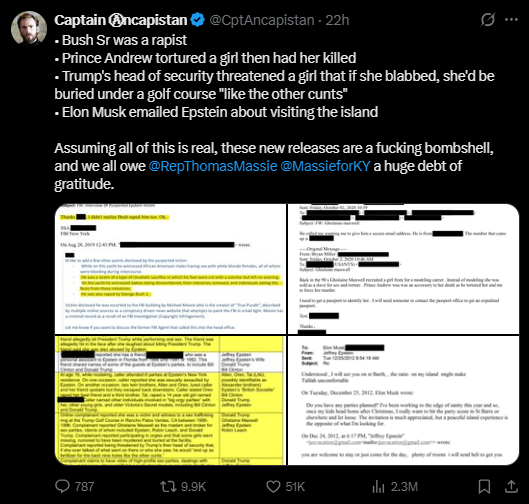
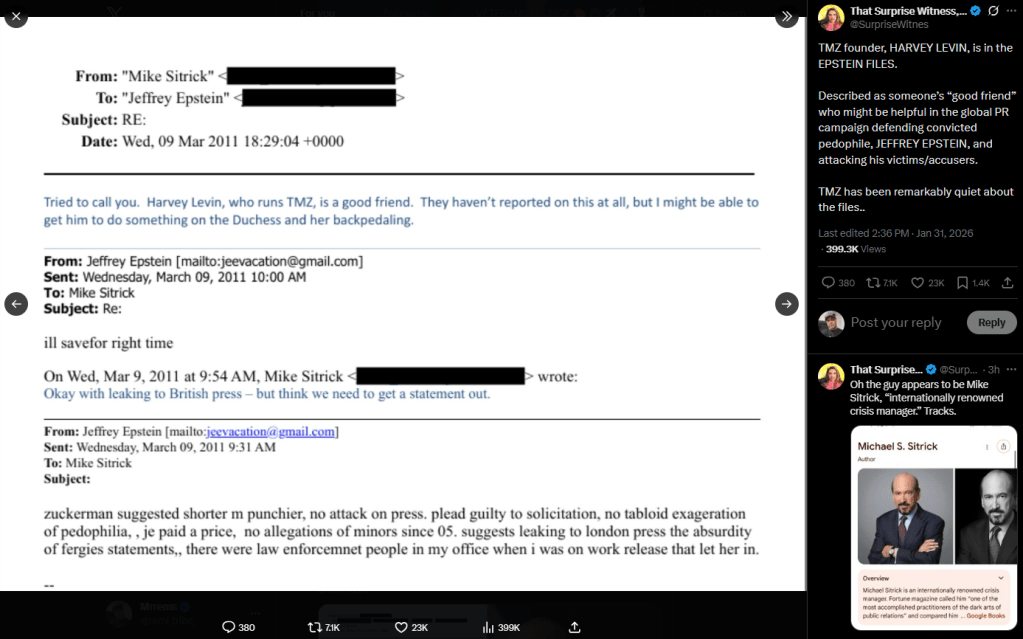
- Emails, images, and exchanges involve figures including Elon Musk, Prince Andrew (Andrew Mountbatten-Windsor), Sarah Ferguson, and others — revealing social contact or references that had not previously been public.
- Correspondence also appears with business and tech leaders such as Reid Hoffman, touching on social plans and visits to Epstein properties.
The wide range of names has fueled debate about the breadth of Epstein’s social network — though again, no additional criminal charges have been announced based on these files alone.
2. Victim and Survivor Concerns
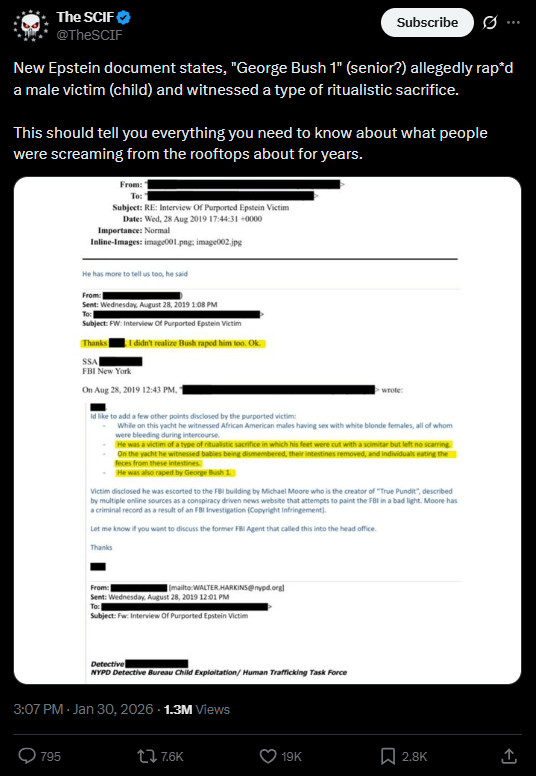
Many of the released documents include detailed accounts, interview summaries, and imagery tied to victims’ experiences with Epstein and his associates. Survivors’ advocates and some lawmakers have strongly criticized how the disclosures were handled — particularly concerns that victims’ identities and trauma were exposed while alleged enablers remain shielded behind redactions.
3. Emails and Memorable Exchanges
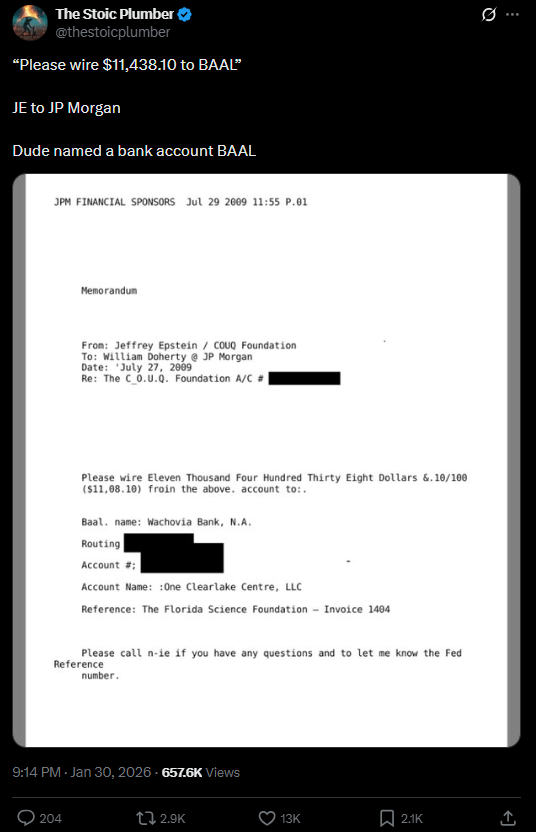
The releases include thousands of emails, some mundane, others raising eyebrows:
- Emails reflecting social invitations and travel planning among Epstein and known associates.
- Correspondence hinting at continued contact with Epstein friends even after his 2008 conviction.
These communications paint a more graphic picture of Epstein’s extensive network and social reach.
4. Investigative Materials and Earlier Probes
Beyond social records, files include investigative material from multiple federal cases:
- Memoranda and notes from FBI probes.
- Surveillance summaries.
- Draft indictment proposals from earlier attempts to prosecute Epstein before the 2019 indictment that preceded his death.
This heavier procedural material shows how law enforcement interacted with Epstein over years, including missed opportunities and internal debates.
How the Files Were Released (and Briefly Removed)
Contrary to the idea that a single batch was simply posted once, the Epstein materials have had a complex release history shaped by law, pressure from Congress, technological issues, and even accidental removals:
The Epstein Files Transparency Act
In November 2025, Congress overwhelmingly passed the Epstein Files Transparency Act — a law requiring the Justice Department to publish all unclassified records, communications, and investigative materials relating to Epstein and his associate Ghislaine Maxwell by December 19, 2025. President Trump signed it into law.
Initial Releases and Redaction Issues
Beginning in December 2025, the DOJ began publishing batches of documents as required — but early releases were heavily redacted, and researchers found workarounds to undo some of the redactions.
Temporary Removal from DOJ Website
Shortly after some releases, at least 16 files briefly disappeared from the DOJ’s public Epstein site — including a spreadsheet listing tips involving Donald Trump — prompting questions about the reliability of the repository and whether content was being improperly altered.
In response, the DOJ restored the removed files and emphasized that unverified and false claims were included only as received by investigators and did not reflect substantiated evidence.
Final 2026 Release
The January 30, 2026 release was the largest yet — over 3 million pages, 2,000 videos, and 180,000 images — which officials say fulfills the department’s legal obligations under the Transparency Act.
Many materials were redacted, especially to protect victim identities, and some content was withheld due to legal privileges. Still, the volume and scope dwarf previous public disclosures.
What’s Next — and What’s Still Unknown
Despite this massive document dump:
- About half of the potentially responsive files identified by the DOJ have not been publicly released, often retained under redaction or through privilege claims.
- Lawmakers, bipartisan committees, and survivors continue demanding access to unredacted files to better understand how Epstein operated and who may have abetted him.
- International repercussions are emerging — political figures abroad have faced scrutiny and consequences as a result of their inclusion in or connections shown in the files.
The latest documents represent the most revealing portrait yet of Epstein’s world — but they leave unanswered questions about how scrutiny is applied to the powerful and whether full accountability is possible.
Noteworthy Social Media Shares











 Remi Tribe