
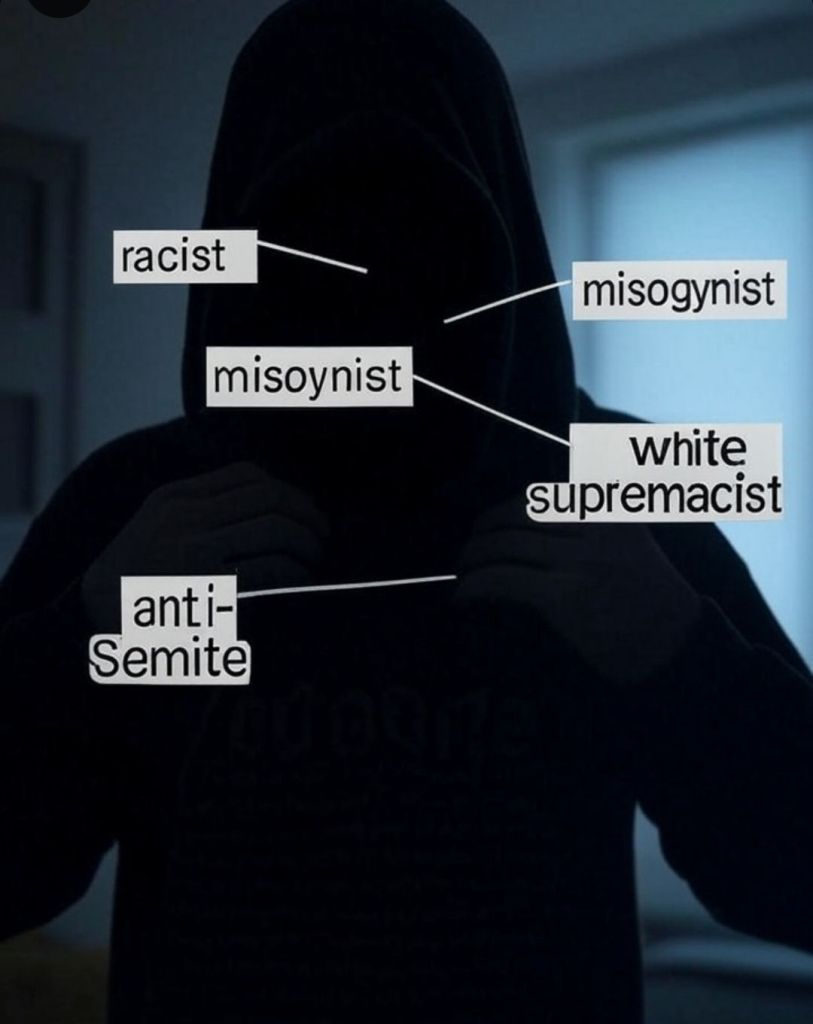
In today’s hyper-polarized world, words have become weapons. Labels like “racist,” “misogynist,” “white supremacist,” “anti-Semite,” and countless others—transphobe, homophobe, Islamophobe, fascist, bigot—are flung around with reckless abandon. But what if I told you these aren’t just insults or descriptors? They’re tools in a deliberate strategy of identity exploitation.
At the heart of this phenomenon are Identity Exploiters—individuals, groups, and institutions who manipulate identities for personal gain, power, or control. This blog post aims to expose them, dissect their moral failings, and make a compelling case for why we must stop validating their tactics and starve them of the attention they crave.
What Are Identity Exploiters?

Identity Exploiters are the architects of division. They aren’t always obvious villains; they can be activists, politicians, media pundits, social media influencers, or even everyday people caught in the cycle. Their modus operandi is simple: weaponize identity-based labels to exploit vulnerabilities in society. By accusing someone of being a “racist” or “misogynist,” they don’t just critique behavior—they seek to silence, shame, and ostracize, often without evidence or nuance.
The goal? Identity exploitation.
This isn’t about protecting marginalized groups (though that’s the facade they hide behind). It’s about leveraging identities—race, gender, religion, sexuality—to create hierarchies of victimhood and oppression. Exploiters profit from this: they gain social capital, donations, clicks, votes, or a sense of moral superiority. In essence, they turn human differences into currency, mining division for their own benefit while society fractures.
Think about it: a single tweet labeling someone a “white supremacist” can destroy careers, relationships, and reputations overnight. But who benefits? Not the supposed victims—often, it’s the exploiter who rises in status as the “defender” of the oppressed.
The Moral Pitfalls of Identity Exploitation
The tactics of Identity Exploiters aren’t just ineffective; they’re morally bankrupt.
Let’s break down the key ethical failings…
Hypocrisy and Selective Outrage: Exploiters preach inclusivity but practice exclusion. They decry “hate speech” while hurling labels that dehumanize others. For instance, calling someone an “anti-Semite” might stem from genuine concern, but when it’s applied loosely to anyone criticizing certain policies, it dilutes real antisemitism and shields exploiters from accountability. This double standard erodes trust and turns moral discourse into a farce.
Suppression of Free Speech and Thought: By equating disagreement with bigotry, exploiters create a chilling effect. People self-censor out of fear, leading to echo chambers where only approved narratives survive. This isn’t progress—it’s intellectual tyranny. Morally, it violates the principle of open dialogue, which is essential for a healthy democracy. As philosopher John Stuart Mill argued, suppressing ideas doesn’t eliminate falsehoods; it prevents truth from being challenged and refined.
Perpetuating Division and Harm: Identity exploitation thrives on pitting groups against each other. Labels like “misogynist” or “transphobe” are often used not to foster understanding but to inflame tensions, turning allies into enemies. The moral cost? Increased societal fragmentation, mental health crises from public shaming, and real-world violence fueled by manufactured outrage. Exploiters claim to fight oppression, but they often exacerbate it, using vulnerable identities as shields for their agendas.
Exploitation for Personal Gain: At its core, this is predatory. Exploiters monetize misery—through Patreon campaigns, book deals, or viral fame—while the people they “represent” see little benefit. It’s a form of emotional vampirism, where the suffering of others is commodified. Morally, this mirrors historical grifters who profited from social ills, like snake-oil salesmen peddling cures for ailments they helped create.
These pitfalls aren’t abstract; they’re evident in cancel culture mobbings, politicized workplaces, and fractured families. Identity Exploiters aren’t heroes—they’re opportunists whose actions undermine the very equality they purport to champion.
Why We Must Stop Validating and Giving Attention to Identity Exploiters
Validation is oxygen for these exploiters. Every retweet, every debate, every defensive response amplifies their reach. It’s time to cut off the supply.
Here’s why and how: Empowerment Through Attention: Attention equals power. When we engage with their labels—defending ourselves or counter-attacking—we play their game. Instead, ignore them. Starve the beast, and it withers. As the saying goes, “Don’t wrestle with pigs; you’ll get dirty, and the pig likes it.”
Reclaiming Nuance and Empathy: By refusing to validate, we open space for genuine conversations. Not every disagreement is bigotry; sometimes, it’s just differing perspectives. Withholding attention forces exploiters to confront their irrelevance, encouraging society to prioritize substance over sensationalism.
Building a Better Alternative: Redirect energy toward constructive actions—education, dialogue, and policy changes that address real issues without exploitation. Support voices that unite rather than divide. In doing so, we model the morality exploiters lack.
Of course, this doesn’t mean ignoring actual hate or injustice. True threats deserve response through legal, educational, or community means. But knee-jerk labeling? That’s the exploiter’s trap—don’t fall for it.
Conclusion: A Call to Disengage and Rebuild
Identity Exploiters have hijacked our discourse, turning labels into tools of exploitation that divide us for their gain. Their moral pitfalls—hypocrisy, suppression, division, and greed—reveal a rotten core. It’s time to expose them for what they are and deny them the validation they seek. By ignoring their tactics, we reclaim our power and foster a society built on empathy, not exploitation.
What do you think? Have you encountered Identity Exploiters in your life? Share in the comments—but let’s keep it civil and label-free. Together, we can move beyond the noise.
 Remi Tribe